Palm oil planters get wise with bird of prey pest control
Article Date: 2011-04-20 Source: http://www.reuters.com
Comments: 0
By Michael Taylor Jakarta, Indonesia - The palm oil industry has gone bird crazy by drafting owls to combat the
menace of rodent pests, hoping in the process to burnish its green credentials
and save money.
Leading Southeast Asian producers of the vegetable oil have tried different pest
control schemes over the years, from snakes to poisons, but the high success
rate -- and low cost -- of owls has prompted more planters to turn to them for
help in reducing damage.
Some even have designated "owl trainers" who tend the birds from when they are
still in the shell.
"We are using owls in our South Sumatra estates," said Michael Kesuma, head of
investor relations at Indonesian palm oil producer Sampoerna Agro, which has
taken such pains to introduce the birds that houses have been built for them in
some areas.
"In those problem areas, I personally have seen the results of having owls. At
the bottom of the owl houses, which are on a trunk, you see rat or rodent bones
-- they are doing their job."
Malaysia and Indonesia account for more than 90 percent of the world's supply of
palm oil, while other smaller producing nations include Colombia, Benin, Kenya
and Ghana.
The edible oil, which originates from Africa, is used to make everything from
biscuits to ice cream.
But according to the green group Deforestation Watch, crop losses caused by rats
feeding on the palm fruit has been estimated to be around 5 percent of the oil
yield.
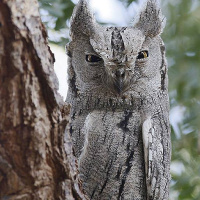
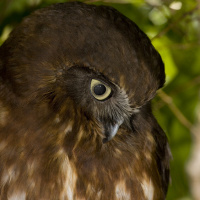
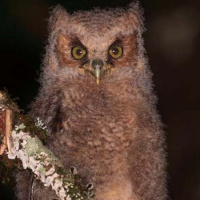
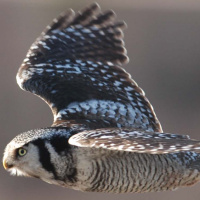
Enter the owl, usually a nocturnal bird of prey, which eats mainly small mammals
like mice, voles and shrews -- prime palm oil pests.
Barn-owls, the breed most commonly used on palm plantations, have a large
heart-shaped face but have suffered declines over the past fifty years due to
intensive agricultural practices.
They first appeared on palm plantations more than 20 years ago and have proved
quite effective, palm associations say.
THREE TO FIVE RATS PER DAY
"The (plantations) say it's cheaper because they can decrease costs by 50
percent compared with using chemicals," said Chaerul Saleh, a biologist at
WWF-Indonesia.
"They are barn-owls ... they can eat three to five rats every day. It is using a
natural predator."
Indonesian palm oil producer BW Plantation (BWPT) says owls now save the firm
about $300,000 each year that would otherwise have been spent on poisons.
"We have an owl trainer who takes care of our owls, starting from the egg until
they mature and are then released into the field," said Kelik Irwantono,
corporate secretary at BWPT.
"When an owl egg is found, the owl trainer will monitor this and eventually take
the young owl to be placed in our owl training camp," added Irwantono.
The firm introduced owls in 2009 and now has about 250 barn owls on its estates.
"After being released into the field, the owl is naturally free to control the
rat population," Irwantono said.
And there's an additional side benefit unseen with either snakes or poisons,
palm associations said.
"Investors who visit our plantation all want to take an owl home with them,"
said Sebastian Sharp, head of investor relations at BWPT. "They are very
beautiful."
Disclaimer: This article has been reproduced from http://www.reuters.com and placed here for comment.
OwlPages.com is not responsible for the accuracy of any information in this article, and does not necessarily agree with the author's opinions.
< Previous News article | Next News Article >
Comments
Comment on the above News article.
|